Structured Cabling
Neat, certified Cat6/Cat6A and fiber backbones that pass testing the first time.
Learn moreSingle-mode and multimode runs, fusion splicing and OTDR-certified terminations — for the distances, bandwidth and electrical isolation that copper cannot deliver.
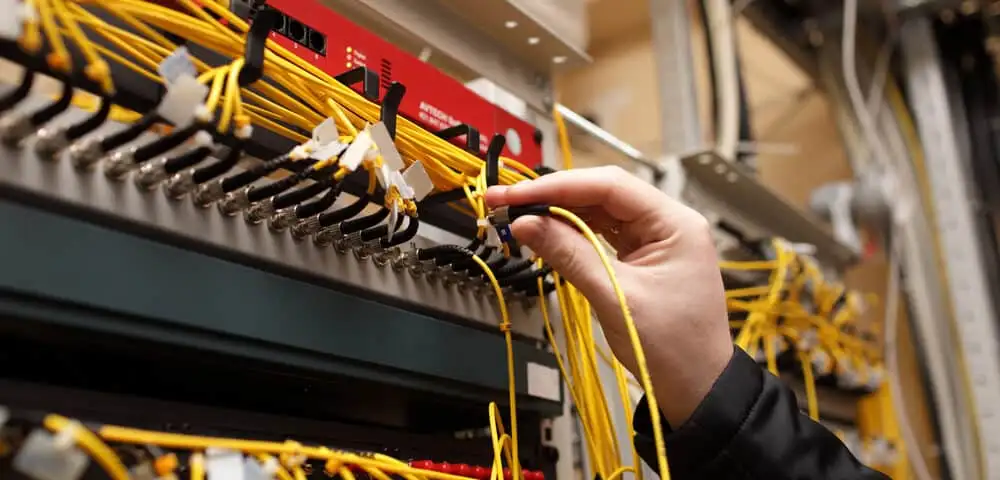
Copper stops at 100 metres, and it carries electrical potential between buildings — which is why a copper run between two structures on the same property is a lightning path waiting for a storm. Fiber solves both problems at once: effectively unlimited distance for your purposes, and complete electrical isolation.
It also solves a bandwidth problem you may not have yet. A fiber backbone installed today will still carry whatever your switches evolve into over the next fifteen years, because the upgrade happens in the optics at each end, not in the glass in the ground.
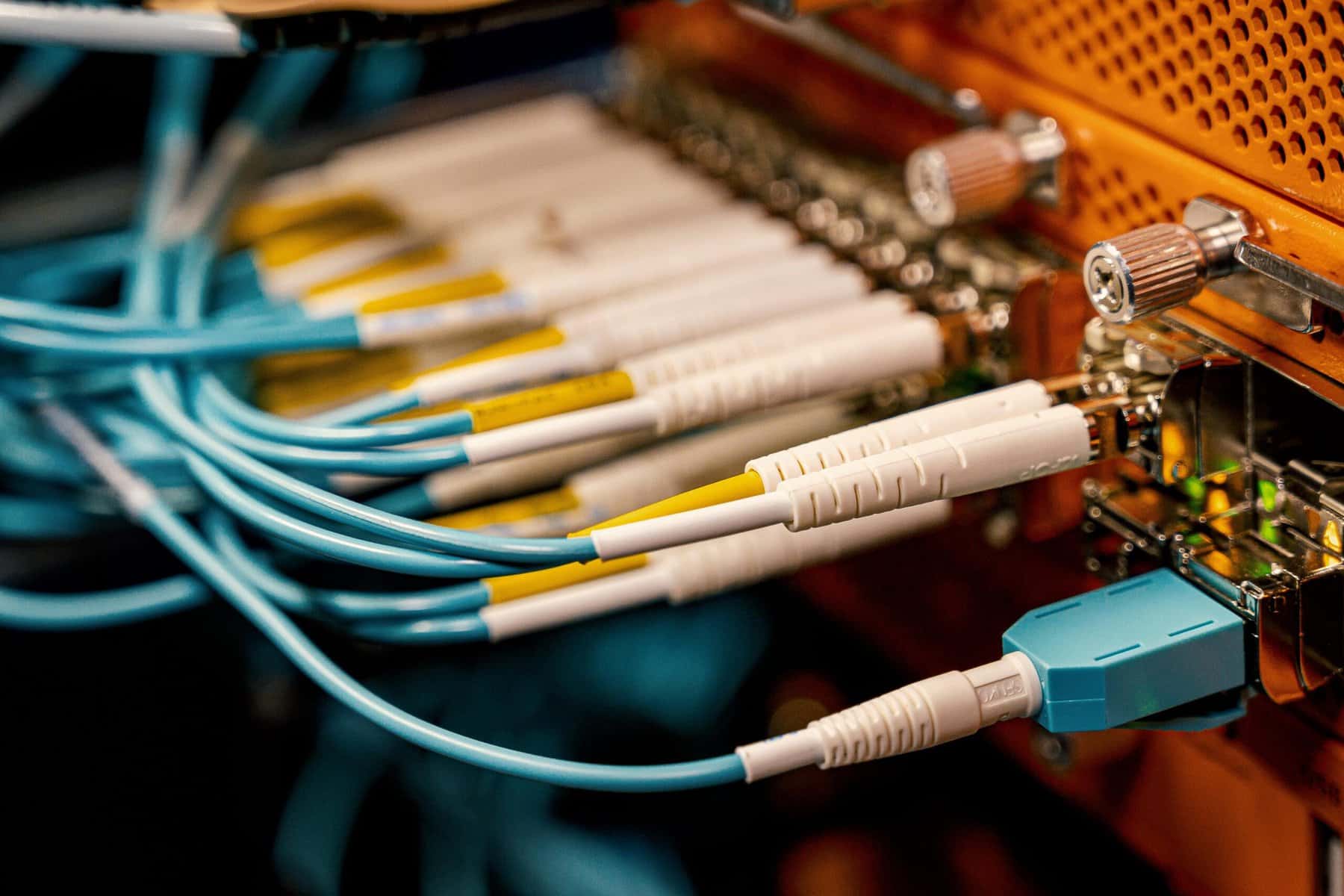
Fiber is unforgiving of sloppy work in a way copper is not. A contaminated connector or a poor splice does not fail cleanly — it degrades, intermittently, in ways that will cost you weeks of troubleshooting at the wrong layer.
We fusion splice, terminate to cassettes and enclosures, clean and inspect every endface, and certify with OTDR traces and loss testing. You get the traces. If a span does not meet its loss budget, it gets fixed before we hand it over.
Documented, predictable and phased so your operation keeps running while we work.
We plan the physical route, count splices and connections, and calculate the loss budget the finished span must meet.
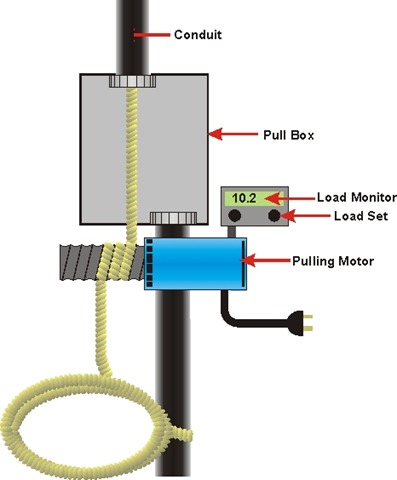
Get startedCable placed with correct tension and bend radius, spliced in a controlled enclosure, and terminated into panels at both ends.
Get startedOTDR traces, insertion loss results, endface inspection records and as-built documentation.
Get startedFor anything leaving a building, single-mode. It costs marginally more in glass, the optics are no longer expensive, and it removes distance and bandwidth as future constraints entirely. Multimode still makes sense for shorter in-building backbones where the optics are already standardised.
Yes — through existing conduit, in new underground conduit, or aerially where the property allows. We survey the route first, because the pathway is usually the part that determines cost, not the cable.
Your internet speed is rarely the reason. Fiber is about distance, isolation and internal backbone capacity between switches, recorders and buildings — all of which matter long before your WAN does.
Bidirectional OTDR traces plus insertion loss testing against a calculated budget, with endface inspection records. All of it is handed over as part of the as-built package.
Yes. We locate and identify existing strands, splice into spare capacity where it exists, and document exactly what was used so the next person is not guessing.
Neat, certified Cat6/Cat6A and fiber backbones that pass testing the first time.
Learn moreLicensed-free gigabit bridges linking buildings, yards and remote sites without trenching.
Learn moreCommercial-grade wireless designed, installed and tuned for full-building coverage.
Learn moreProactive monitoring, firmware management and a real technician when something breaks.
Learn moreThirty-plus years of installations across Greater Los Angeles — here is what building owners, facility managers and operators tell us.
Practical, vendor-honest write-ups from the technicians who do the installs.
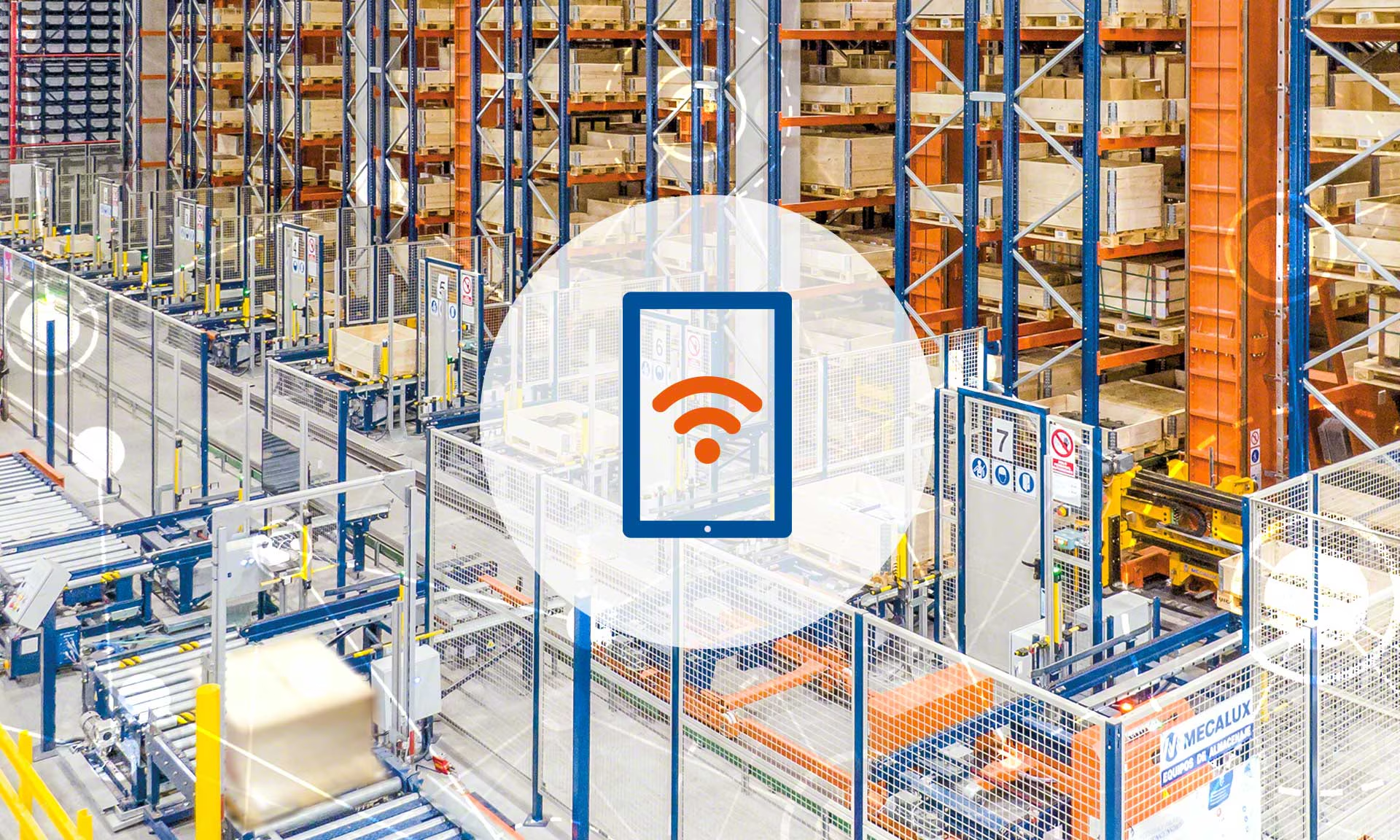
A warehouse is the hardest building type to cover well. Here is the exact five-step method our crews use to get full-floor coverage through racking, steel and concrete.
Three generations of wireless are on the shelf at once. Here is where each one genuinely helps, where the marketing outruns reality, and how to decide without overspending.
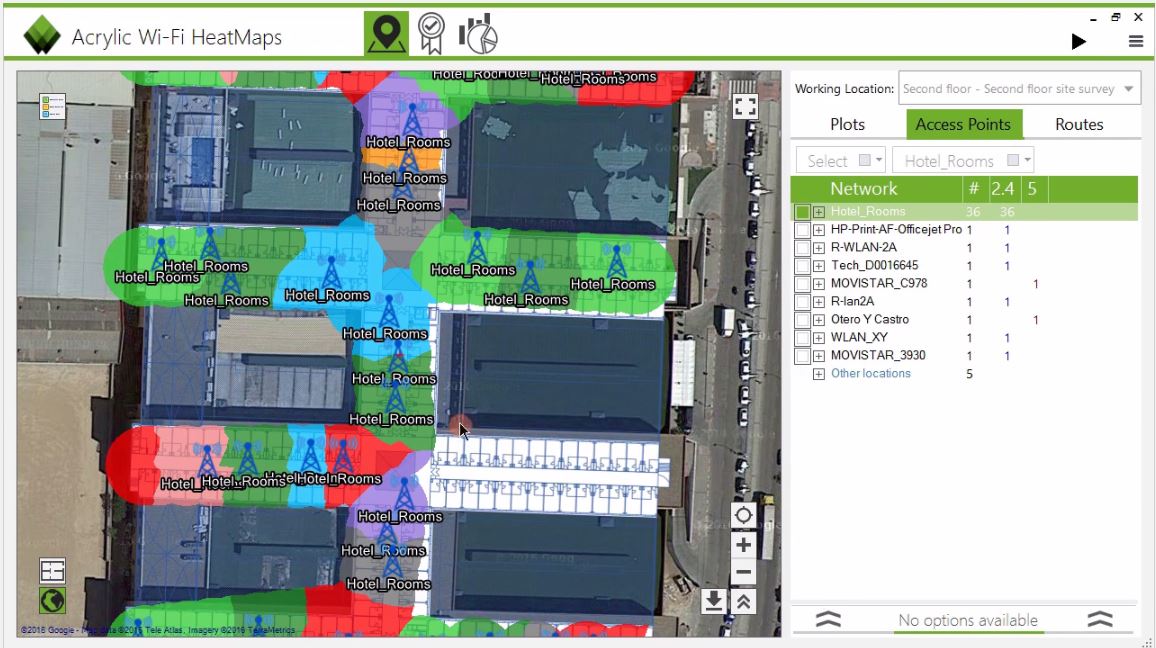
Predictive, passive, active and spectrum surveys explained — what each one proves, the gear involved, and the deliverables a serious survey should hand you.
Book a site survey and we will map your building, recommend the right hardware and give you a fixed, itemised quote — usually within three business days.